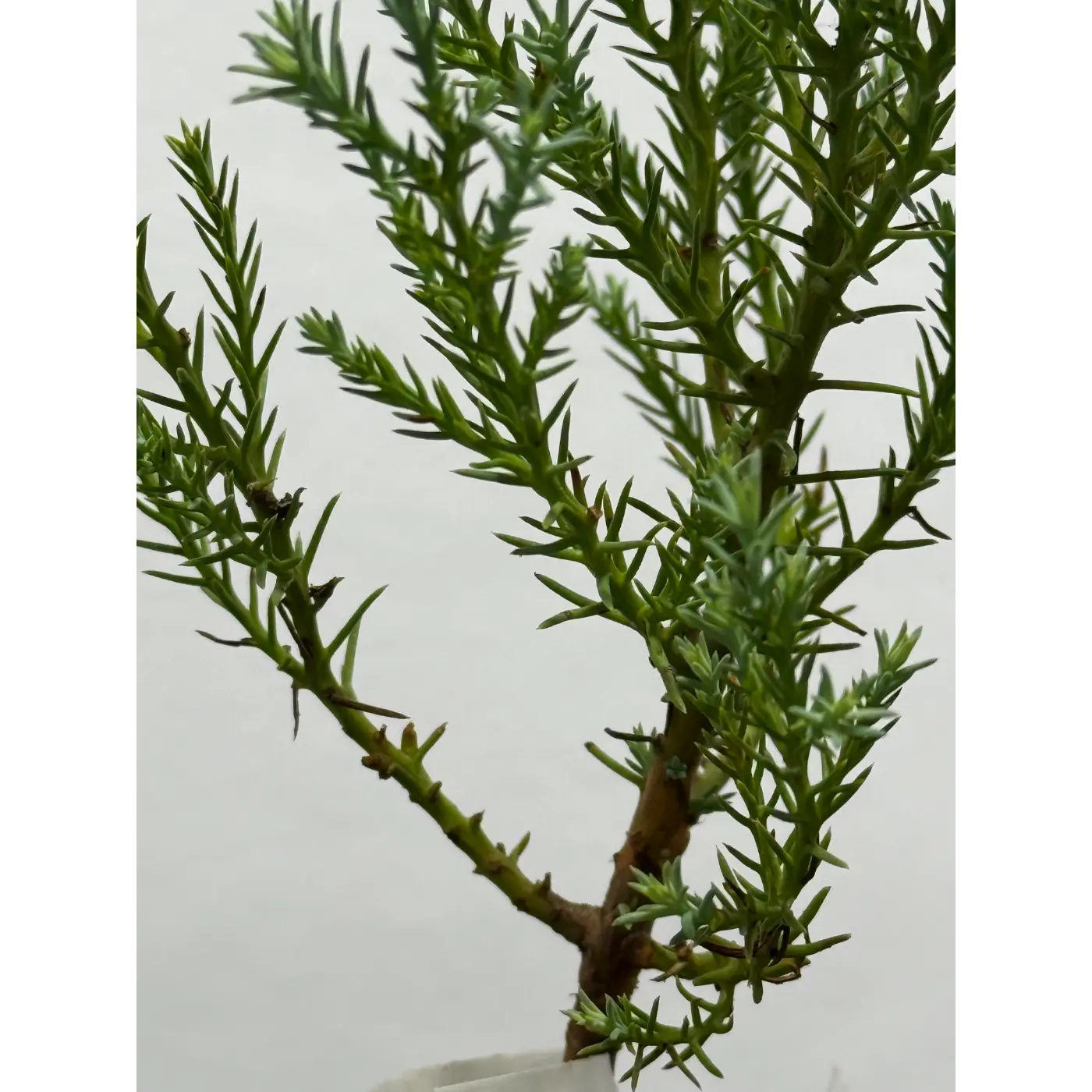
Giant Sequoia Tree Seedling - 4 Inch Nursery Pot (Sequoiadendron giganteum) (78)
Plant Bio
Plant Bio
The Giant Sequoia Redwood (Sequoiadendron giganteum), also known as Sierra Redwood or Big Tree, is one of the most massive and longest-living tree species on Earth. Native to California's Sierra Nevada mountains, these awe-inspiring evergreens can reach over 300 feet tall and live for 3,000+ years in the wild. This young seedling in a 4-inch nursery pot offers a rare chance to grow your own living legend at home. With its dense, scale-like blue-green foliage and pyramidal shape when young, it's a striking addition to gardens, landscapes, or as a unique potted specimen. Perfect for collectors, nature enthusiasts, and those planting for future generations.
Light Instructions
Light Instructions
Provide full sun to partial shade for optimal growth. Young Giant Sequoias thrive in bright, direct sunlight (at least 6 hours daily) but benefit from light afternoon shade in hot climates to prevent needle scorch. Indoors temporarily, place near a south-facing window with bright indirect light. As it matures, transition to full outdoor sun exposure. Rotate the pot periodically for even growth. In very hot summers, monitor for stress and provide temporary shade cloth if needed.
Is It Pet Safe?
Is It Pet Safe?
Yes, Giant Sequoia (Sequoiadendron giganteum) is generally considered pet-safe and non-toxic to dogs, cats, and horses according to available sources like the ASPCA. No major toxic principles are reported in the foliage, bark, or cones. As with any plant, ingesting large amounts may cause mild stomach upset due to indigestibility. Keep out of reach if your pets tend to chew excessively.
Watering Instructions
Keep soil consistently moist but never waterlogged—Giant Sequoias love regular moisture, especially when young. Water thoroughly when the top 1-2 inches of soil feel dry, allowing excess to drain freely (excellent drainage is critical in pots to prevent root rot). In hot/dry conditions, check daily and water more frequently; in cooler weather, reduce to every few days. Use room-temperature water and avoid letting the pot sit in standing water. Mulch the soil surface to retain moisture. Established trees are more drought-tolerant but prefer consistent hydration for best growth.
Specific Plant Care for This Species
Soil: Use well-draining, slightly acidic mix (e.g., 30% grit/pumice, bark, perlite, peat/compost). Avoid standard houseplant mixes.
Temperature/Hardiness: USDA zones 6-9; prefers cool winters for dormancy. Protect young potted trees from extreme cold/freezing roots.
Fertilizer: Apply balanced, slow-release evergreen fertilizer in spring (low-medium rate); avoid over-fertilizing young plants.
Repotting: Move to larger pots as it grows; shallow/wide pots suit its root system.
Pruning: Minimal needed; shape lightly if desired.
Note: Best suited for outdoor planting long-term. In containers, monitor closely for moisture and nutrients. Grows rapidly with proper care but stays manageable in a 4-inch pot initially.
Couldn't load pickup availability
Share